




Dental care is most effective when patients know what is happening in their mouths, why a treatment is recommended, and how their daily habits affect their oral health. Many dental problems begin with subtle symptoms that are easy to miss, which is why education is one of the most valuable parts of every appointment. When patients understand that prevention and early treatment lead to a lifetime of oral health, they are more likely to make decisions that will protect their smiles.
We are a family dentist serving patients throughout Seattle, WA, and believe that education is an important part of preventive dentistry. Every exam is a chance to discuss oral health conditions, answer questions, and recommend practical things patients can do at home. Clear communication reduces unnecessary anxiety about treatment, and patients feel more confident about their care.
Patient Education Supports Preventive Care
Many common dental conditions develop slowly. Cavities typically begin as small areas of enamel breakdown, and gum disease may start as mild inflammation or occasional bleeding when brushing. Patients who fail to recognize these early warning signs may postpone treatment until the pain is more obvious.
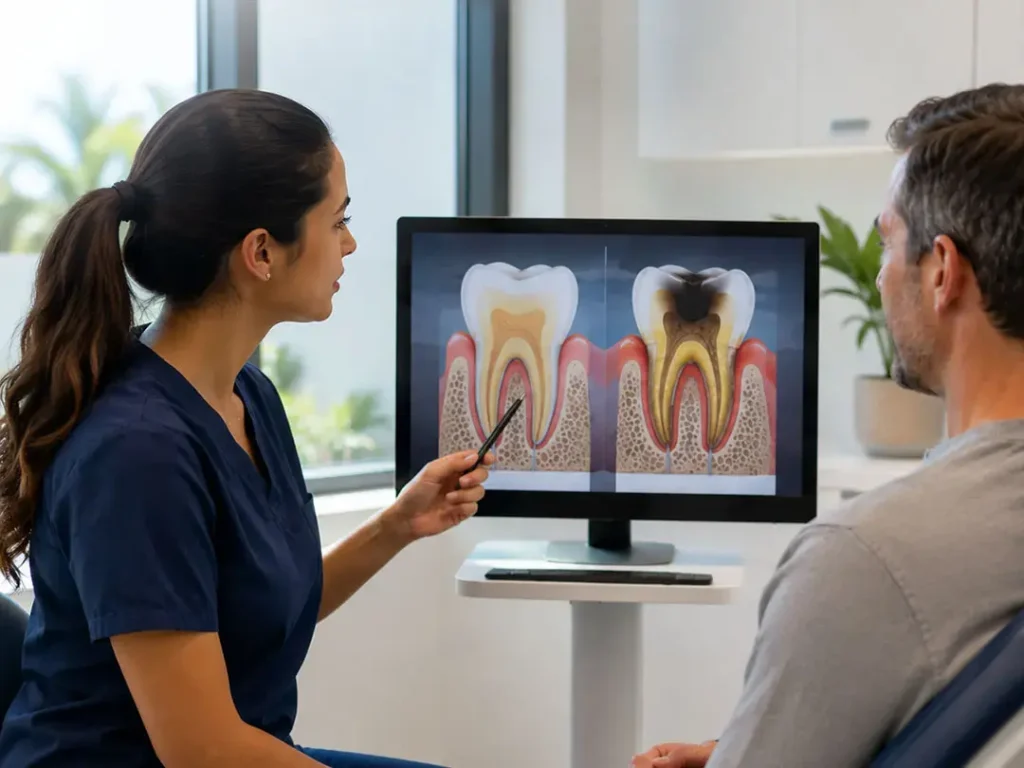
Teaching patients helps them develop a preventive attitude. When patients understand how plaque forms, why tartar cannot be brushed away at home, and how regular dental visits help catch problems early, they become active partners in protecting their oral health. This approach often results in fewer dental emergencies and more conservative treatment over time.
Preventive care helps patients realize that oral health is maintained daily, not just at the dentist’s office.
Better Understanding Leads to Earlier Treatment
Many people put off seeing a dentist because they believe the symptoms will go away on their own or that it’s not serious. Unfortunately, dental conditions rarely resolve on their own. Small holes get bigger, gum inflammation gets worse, and cracked teeth become harder to fix.
Patients are more likely to seek care in a timely manner when they understand the value of routine exams and can identify early signs. An early diagnosis may permit a less complicated procedure with less loss of natural tissue and less time and expense for the treatment.
Education clears up uncertainty. Rather than waiting for pain to develop and then responding to it, patients are taught to recognize when a professional assessment is warranted.
Education Builds Trust Before Treatment Begins
Modern dentistry offers many options. These include dental crowns, implants, cosmetic dentistry, Invisalign, periodontal therapy, and preventive services. The rationale for each recommendation should be clear to explain to patients why the treatment is appropriate for their particular circumstance.
We feel that informed patients make better choices. We discuss treatment options, outcomes, alternatives, and if you wait to treat in consultations. This working together makes patients feel comfortable asking questions and participating in decisions about their care.
Open and transparent communication naturally builds trust between patients and their dental team.
Home Care Plays an Important Role
Professional dental visits account for only a small fraction of each year. Oral health is also largely a matter of daily choices patients make at home.
Brushing technique, flossing, fluoride use, nutrition, and appliance care are all factors in the health of your teeth and gums. Patients often believe they are brushing properly until personalized instruction shows them where they can do better. Small changes in technique can make a big difference to plaque build-up and gum health.
We also tell patients about habits that can affect their teeth. These include grinding teeth, eating snacks often, drinking acidic beverages, using tobacco, and dry mouth from medications. Customized recommendations help patients tackle issues specific to their own oral health.
Education Helps Reduce Dental Anxiety
Dental fear affects patients of all ages. Some worries come from past experiences, but uncertainty often plays a big part in the stress. In general, patients who know what to expect during treatment feel more comfortable than those who face strange procedures.
Patients can be mentally prepared and ask questions if they know what procedures will be done before they’re done. Whether talking about a filling, root canal, extraction, or preventive cleaning, clear communication can often make the experience feel more manageable.
It teaches patients to distinguish between symptoms that require immediate attention and those that can be deferred until the next scheduled appointment.
Families Benefit from Education at Every Age
Patient education is a continuous process. Young children learn effective brushing habits, healthy nutrition, and the importance of regular dental visits. Parents are informed about fluoride, sealants, thumb sucking, and orthodontic development.
Conversations about sports mouthguards, orthodontic treatment, wisdom teeth, and cosmetic issues are also helpful to teenagers. Adults often have questions about restorative dentistry, gum health, and preventive care. Older adults may have questions about dry mouth, dental restorations, medications, and healthy teeth as they age.
As a family dental practice, we understand that each patient has unique needs and priorities, and we tailor education to every stage of life.
Oral Health Reflects Overall Health
The link between oral health and overall wellness is an area of ongoing research. Gum disease has been linked to systemic inflammation, and medical conditions such as diabetes may affect periodontal health. Certain medications can reduce saliva flow and increase the risk of cavities. Stress can cause jaw pain or teeth grinding.
Awareness of these links can help patients realize that routine dental visits are part of essential health care, not just about caring for their teeth. We provide balanced, evidence-based advice, enabling people to make informed decisions without unnecessary anxiety.
Frequently Asked Questions
Why is patient education important in dentistry?
Patient education helps people understand how daily habits, preventive care, and early treatment influence oral health. Better understanding often leads to healthier decisions and fewer dental problems.
How does a family dentist help patients improve oral health?
A family dentist provides personalized guidance on brushing, flossing, nutrition, preventive care, and treatment options while helping patients understand how to maintain healthy teeth and gums between visits.
Does patient education reduce dental anxiety?
Yes. Patients often feel more comfortable when they understand what to expect before, during, and after treatment. Clear explanations help reduce uncertainty and improve confidence.
Why are preventive dental visits still necessary if I brush and floss every day?
Daily home care is essential, but professional examinations and cleanings enable dentists to remove tartar, monitor oral health, and detect problems that may not be apparent at home.
Education Creates Stronger Smiles and Better Decisions
Patient education remains one of the most valuable parts of modern dentistry because informed patients are better equipped to care for their oral health. Understanding the causes of dental disease, recognizing early symptoms, and following personalized preventive recommendations can reduce the likelihood of more extensive treatment in the future. By combining professional care with practical education, we help patients become active partners in protecting their smiles.
As your trusted family dentist in Seattle, WA, we are committed to providing care built on communication, prevention, and personalized guidance. If you have questions about your oral health or would like to schedule your next visit, we invite you to contact us. Together, we can build a preventive plan that supports a healthier smile for every stage of life.
Picture Source: AI-generated