





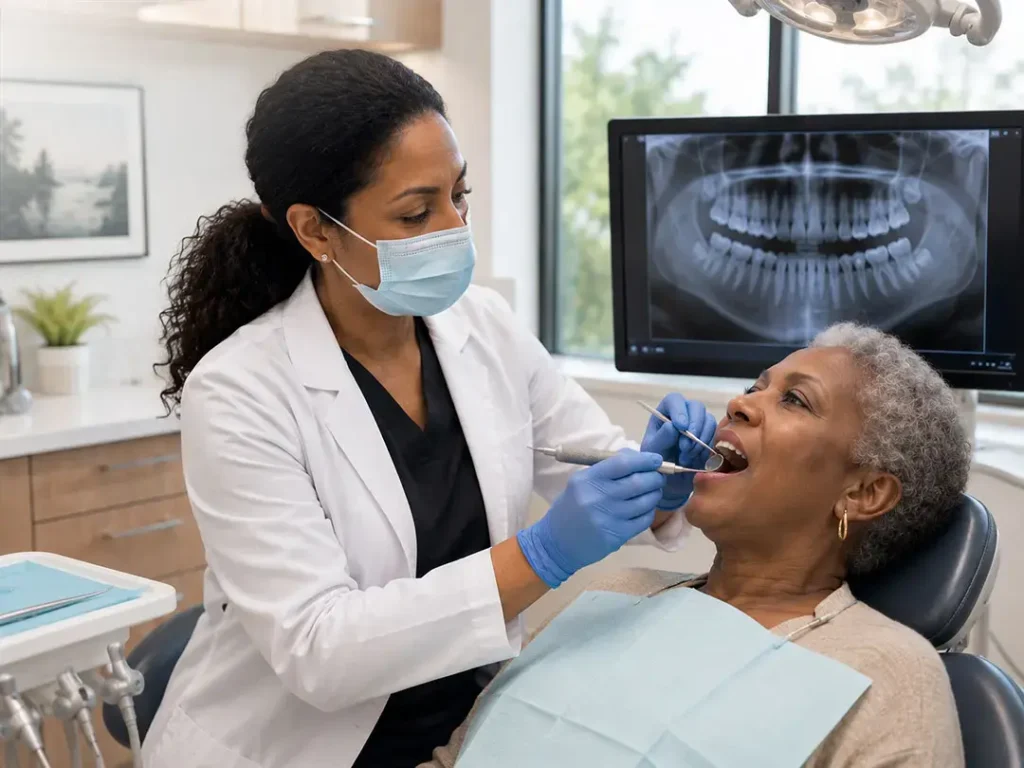
Dental fillings restore teeth damaged by decay and help you keep your natural smile. Today’s fillings are long-lasting. But they’re not forever. Normal wear and tear, temperature changes, and normal chewing will all cause gradual changes to the filling and the surrounding tooth. Knowing when to have a filling replaced can help you avoid more serious dental problems and improve your overall dental health. If you need a reliable family dentist in Seattle, WA, understanding the symptoms of a failing filling can help you seek treatment before small issues become big problems.
Why Dental Fillings Wear Out
Every day, dental fillings are under constant pressure. Filling materials expand and contract over time due to biting and chewing, as well as temperature changes. Eventually, this normal wear can create tiny gaps between the filling and the tooth.
As gaps develop, bacteria can get in and start new decay under the old filling. Replacing a worn filling before serious damage occurs often allows us to save more of your natural tooth structure and avoid more complicated restorative procedures.
The Lifespan of Different Filling Materials
The durability of a dental filling depends on several factors, including the material it’s made from, how big the filling is, where the tooth is located, and your oral hygiene habits.
Resin composite fillings often last a long time and look natural, blending in with the surrounding teeth. Amalgam fillings are also durable and have served patients well for decades. In certain instances, other restorative materials such as porcelain and gold may be even more durable. We examine your existing fillings during routine checkups and recommend replacement only when needed.
Signs That a Filling May Need to Be Replaced
Many patients are surprised to learn that a failed filling does not always cause pain right away. Some fillings can continue to decay without obvious symptoms until decay is already present beneath the restoration.
Common warning signs include increased tooth sensitivity, discomfort when chewing, visible cracks, rough edges, discoloration around the filling, and pieces of the filling that are breaking off. If you don’t notice any of these symptoms, routine dental examinations allow us to identify wear before it becomes a bigger issue.
Regular Dental Visits Help Protect Your Teeth
Regular dental check-ups are the best way to monitor the condition of existing fillings. At every exam, we look for signs of wear, cracks, leakage, or developing decay in your restorations that you may not be able to see.
With digital imaging and modern diagnostic technology, we can detect changes early, allowing our patients to avoid major restorations such as crowns, root canals, or extractions whenever possible. And early treatment usually means less healthy tooth structure and easier dental care down the road.
Good Oral Habits Help Fillings Last Longer
Dental fillings can last a long time with daily brushing and flossing, as well as regular professional cleanings. Limiting sugary foods and acidic drinks could also lower the risk of recurrent decay around existing restorations.
Patients who grind or clench their teeth may benefit from wearing a custom night guard that reduces excessive pressure on natural teeth and dental restorations. Some minor preventive measures can help extend the lifespan of fillings and protect your overall oral health.
Replacing Fillings Before Problems Become Serious
Waiting until a filling is completely out of commission might allow further decay to penetrate deeper into the tooth. Often, replacing worn fillings when they are due is a simpler procedure and preserves more of your natural tooth.
We don’t replace fillings just because they’re old. Every patient is different, and every filling is different. We always recommend treatment that supports your oral health and avoid unnecessary procedures.
Frequently Asked Questions
How often should dental fillings be replaced?
There is no fixed schedule for replacing dental fillings. Their lifespan depends on the filling material, its location, normal wear, and your oral health. Regular dental examinations help determine when replacement is appropriate.
How can I tell if my filling needs to be replaced?
Signs may include tooth sensitivity, pain while chewing, visible cracks, discoloration around the filling, rough edges, or pieces of the filling breaking away. Your dentist may also identify hidden problems during a routine examination.
Can a filling last for many years?
Some fillings remain in excellent condition for many years, but most eventually require replacement due to normal wear or new decay developing around the restoration.
Why should I visit a family dentist regularly?
Routine visits allow a family dentist to monitor existing fillings, detect small problems early, provide preventive care, and recommend treatment before more extensive dental work becomes necessary.
Dental fillings play an important role in protecting your teeth, but they should be monitored regularly to maintain a healthy smile. If you are looking for an experienced family dentist in Seattle, WA, we are ready to evaluate your fillings and recommend the care that best fits your needs. We invite you to contact our team today to schedule your appointment.
Picture Source: AI-generated