





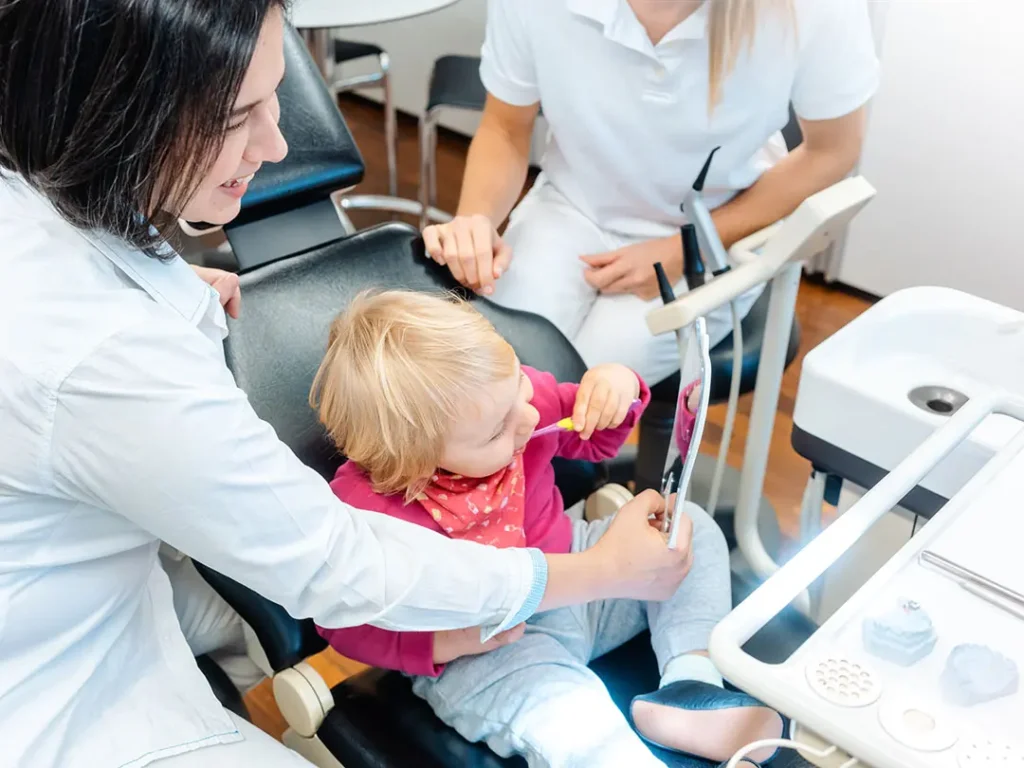
Introducing children to dental care at an early age supports healthy habits that can benefit them throughout childhood and beyond. Parents often wonder when the right time is to schedule a first visit and how to make that experience positive. Establishing dental routines early helps children become comfortable with professional care and reinforces the importance of oral hygiene.
For parents in Seattle, choosing a trusted family dentist is important because it influences these early experiences. A calm, welcoming environment, combined with age-appropriate guidance, helps children feel secure as they learn to properly care for their teeth.
When to schedule the first dental visit
Most dentists say a child’s first visit should be by their first birthday or when the first tooth appears. Early visits allow dentists to monitor a child’s growth, identify potential issues, and provide advice tailored to the child’s developmental stage.
These first appointments are usually short and focus on teaching rather than treating. Kids get used to the office, its sounds, and its routines, so they feel less anxious when they return.
Building comfort and trust early
Children who go to the dentist early learn to see appointments as a normal part of life. Kids are less likely to think of the dentist as a bad thing if they go before they have any problems. As kids get older, positive interactions help them trust each other and work together.
Parents can help by staying calm and talking about dental visits in a positive way. Kids often copy how adults react, so giving them support and comfort can help them see things differently.
Teaching healthy habits at home
Dental visits help, but they don’t replace daily home care. Dentists help parents learn how to brush their teeth, floss, and eat foods that are beneficial for their teeth. Teaching kids positive habits early helps keep their teeth healthy and builds their confidence in taking care of themselves.
Using the right tools for your child’s age, like soft-bristle toothbrushes and fluoride toothpaste in the right amounts, helps them clean their teeth well. Establishing a routine demonstrates the significance of daily brushing and flossing.
Monitoring development and growth
Regular trips to the dentist let professionals monitor how teeth come in, how they line up, and how the jaw grows. Early monitoring makes it easier to find problems like crowding or bite issues and fix them.
Dentists can also assess habits such as thumb sucking or pacifier use and suggest ways to reduce their potential effects on mouth development. Early guidance leads to better results as kids grow up.
Preventive care and education
Preventive care is a big part of going to the dentist for kids. Cleanings remove plaque and reduce the risk of cavities. Depending on the person’s needs, fluoride treatments and sealants may be suggested.
Education is not just for the child; it is also for the parents. Families can make smart choices that help their teeth stay healthy when they know how diet, oral hygiene, and regular care work together.
Creating positive dental routines
When setting up dental routines, it’s important to be consistent. Kids know when their visits will be and what to expect. Getting to know someone makes you less anxious and more likely to work together.
Instead of telling people what to do, praise them for doing the right thing. This helps keep positive attitudes. Over time, going to the dentist becomes a normal part of staying healthy instead of something that stresses you out.
Frequently asked questions about children’s dental care
At what age should brushing begin?
Brushing should begin as soon as the first tooth appears, using a soft toothbrush and a small amount of fluoride toothpaste.
How often should children see the dentist?
Most children benefit from visits every six months, although individual needs may vary.
What if my child is afraid of the dentist?
Early visits, positive reinforcement, and choosing a gentle provider help reduce fear and build comfort over time.
Are baby teeth really important if they fall out?
Yes. Baby teeth support speech development, nutrition, and proper spacing for adult teeth.
How can parents help prevent cavities?
Consistent brushing, flossing, balanced nutrition, and regular dental visits all contribute to cavity prevention.
Supporting healthy smiles from the start
Starting children young at the dentist creates a strong foundation for healthy habits and confident care. Early visits promote comfort, prevention, and education that support oral health through every stage of development. For families in Seattle seeking compassionate guidance from a trusted family dentist, professional support makes a meaningful difference. Learn more about pediatric dental care at Skyview Family Dentistry.
Picture Credit: Depositphotos