





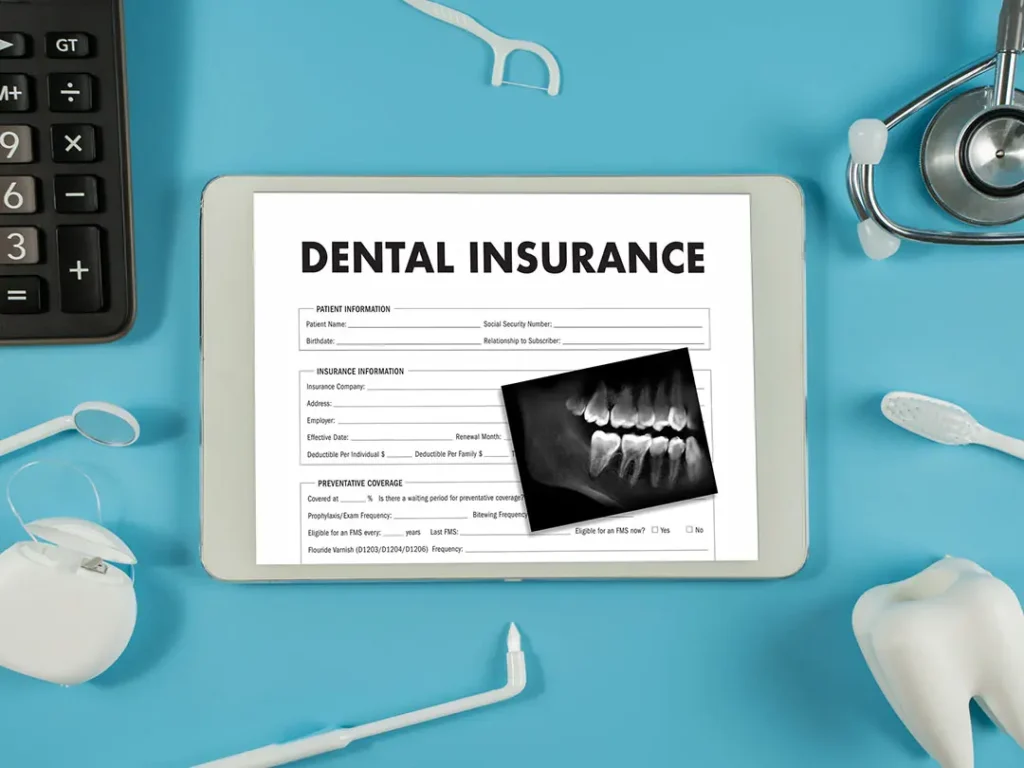
As the calendar turns, many patients in Seattle schedule appointments with a family dentist while navigating changes to their dental insurance. A new year often brings a reset of benefits, deductibles, and coverage limits. Understanding how dental insurance works at the beginning of the year helps patients make informed decisions, plan treatment wisely, and avoid unexpected costs.
What a Dental Insurance Deductible Means
A deductible is the amount a patient must pay out of pocket before their insurance begins to cover services. Most dental plans reset their deductibles every year, usually at the start of the new year. So, some patients may have to meet their deductible again in January, even if they did so in December.
Usually, deductibles only apply to basic and major procedures. Preventive services, such as cleanings and exams, are often covered without a deductible. Going over the details of a plan early helps patients know how much it will cost.
Annual Maximums and Why Timing Matters
Most dental insurance plans have a limit on how much they will pay out each year. This is the most the plan will pay for care in a year. Once the patient reaches that limit, they are responsible for covering any additional costs.
It helps to know the annual maximums when planning treatments that need more than one visit. By carefully planning their care, patients can get the most out of their benefits while still receiving year-round dental care.
Preventive Care and Its Role in Coverage
Most dental insurance plans still prioritize preventive care. Regular cleanings, exams, and X-rays typically receive a higher rate of complete coverage. These services not only help keep your mouth healthy in the long run but also help detect problems early, which could mean you don’t need as much treatment later.
Patients who make preventive visits a priority early in the year can get a better idea of their oral health and plan their future care more clearly.
Understanding Coverage Categories
Most dental insurance plans group services into categories. Exams and cleanings are examples of preventive services. Fillings or extractions may be part of basic services. Crowns or other restorative treatments are often part of primary services.
Usually, each category has a different coverage percentage. Patients can plan for costs and discuss their options with their dentist before treatment begins if they understand how these categories work.
Coordination Between Patients and Dental Offices
Dental offices help patients by verifying their benefits and providing estimates based on their insurance information. But insurance policies vary widely, and the patient is ultimately responsible for paying. Talking openly with each other helps avoid misunderstandings and makes things go more smoothly.
Giving your insurance company updated information at the beginning of the year makes sure that your bills are correct and that your claims are processed quickly. We encourage patients to seek clarification and ask questions when things are unclear.
Planning Treatment at the Start of the Year
The beginning of the year presents an excellent opportunity to address any neglected dental needs. Patients may have more options for completing recommended treatment if they have a full annual maximum. Making a treatment plan that works with insurance benefits is beneficial for both your teeth and your finances.
For families, working together to set up appointments and treatment plans can make scheduling easier and reduce administrative work.
Frequently Asked Questions About Dental Insurance
Does my deductible apply to cleanings and exams?
In many plans, preventive services are covered without applying the deductible, but patients should confirm with their specific policy.
What happens if I do not use my annual maximum?
Unused benefits typically do not carry over to the next year. Planning care within the year helps avoid losing available coverage.
Can insurance coverage change from year to year?
Yes. Premiums, deductibles, and coverage percentages may change annually, making it helpful to review benefits each January.
How can I avoid surprises with dental costs?
Requesting a treatment estimate and reviewing insurance coverage before procedures helps set clear expectations.
Understanding dental insurance at the start of the year empowers patients to make informed decisions and plan care effectively. For those in Seattle seeking guidance from a trusted family dentist, the process can be simplified with professional support and clear communication. Skyview Family Dentistry offers personalized care, insurance assistance, and preventive-focused treatment, enabling patients to start the year with confidence and clarity.
Picture Credit: Depositphotos